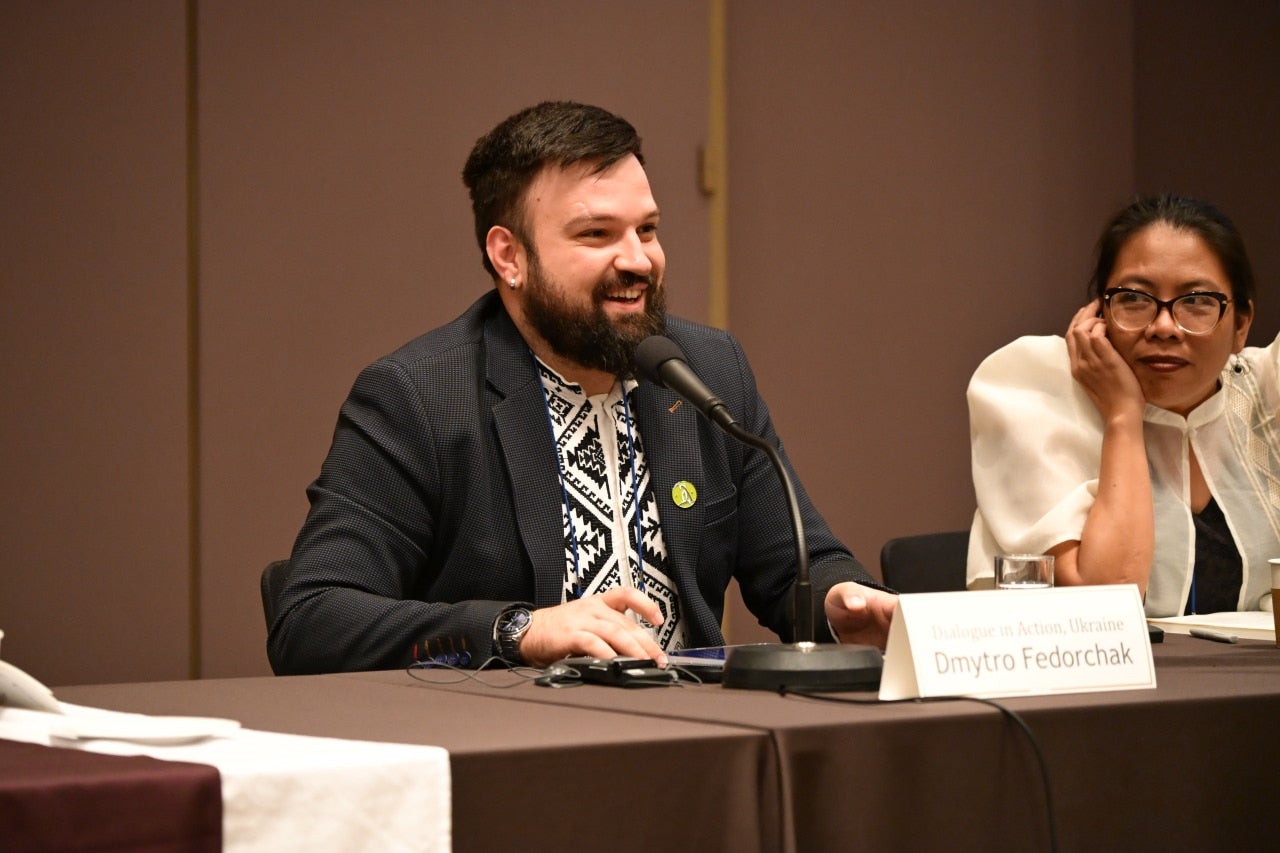
"Religion in Ukraine today can no longer be described merely as a private matter for believers, its role inevitably acquires a public dimension. The central question, therefore, is not whether religion should be public. In Ukraine, it is already public. The question is: can it remain prophetically free when it becomes publicly useful?" – Dmytro Fedorchak.
On May 7, Dmytro Fedorchak, Educational Programs Manager at Dialogue in Action, presented at the Ukrainian Studies Seminar Series, organized by the Ukrainian Studies Research Community at the University of Helsinki (Finland).
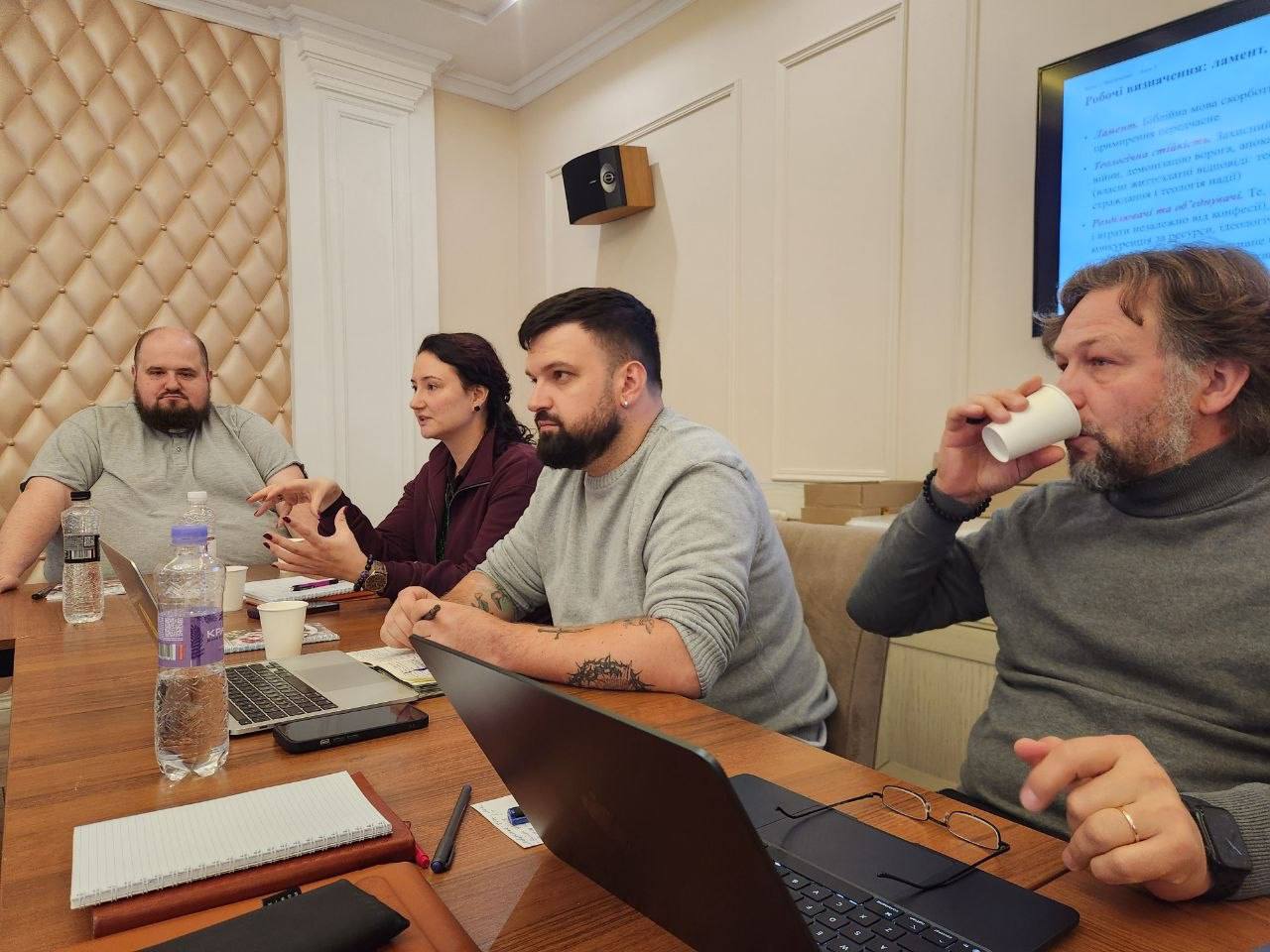
The seminar took place at Metsätalo (part of the University of Helsinki campus) bringing together researchers and students from the University of Helsinki and other institutions to explore the intersections of religion and political processes in Ukraine under martial law.
Dmytro's presentation – "Religion in Wartime Ukraine: Navigating Between Public Role and Prophetic Voice" – addressed one of the central points of tension in wartime: the Church is moving ever deeper into the public sphere and becoming a crucial resource for social resilience. But the more indispensable it becomes, the greater the risk of losing its independence and prophetic voice.
.jpg)
The presentation also explored several key questions:
We are grateful to the Ukrainian Studies Research Community of the Faculty of Humanities, University of Helsinki, for the invitation and for creating a space for meaningful academic dialogue – on questions that matter deeply for Ukraine, for Europe, and for all those working at the intersection of religion, conflict, and peacebuilding studies.