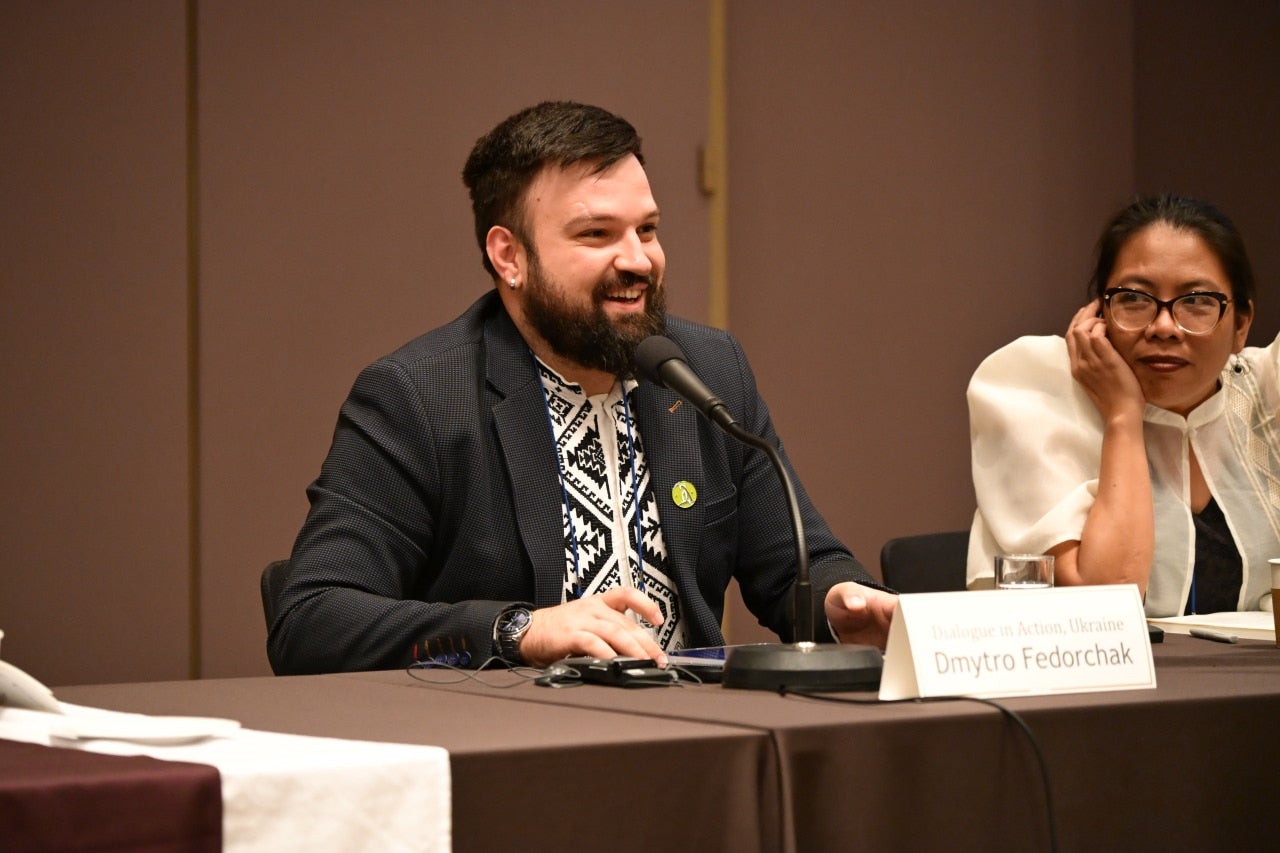
From 9–13 September, Dmytro Fedorchak, an expert with Dialogue in Action, took part in the International Ecumenical Peace Convocation in Seoul, South Korea. He joined a panel discussion on conflicts around the world and the pursuit of fair peace, sharing the tensions that Ukrainian Christians live with every day.
“We cannot choose between resistance and reconciliation. We are learning how resistance can protect the conditions for future reconciliation, while reconciliation can prevent resistance from turning into hatred. We must not confuse justice with revenge, or reconciliation with amnesia. We need both – justice and a future,” Dmytro said.

In his presentation, “Between Resistance and Reconciliation: Ukrainian Churches and the Search for Fair Peace During the War,” Dmytro spoke about how the war has changed the role of the Church in Ukraine:
“The Church must support those who defend life, but it must also resist the dehumanisation caused by war. It must preserve memory, but also ask itself how that memory shapes our children. It must speak about justice, but also preserve the theological vision needed for a future free from endless hostility. It is not an easy balance.”
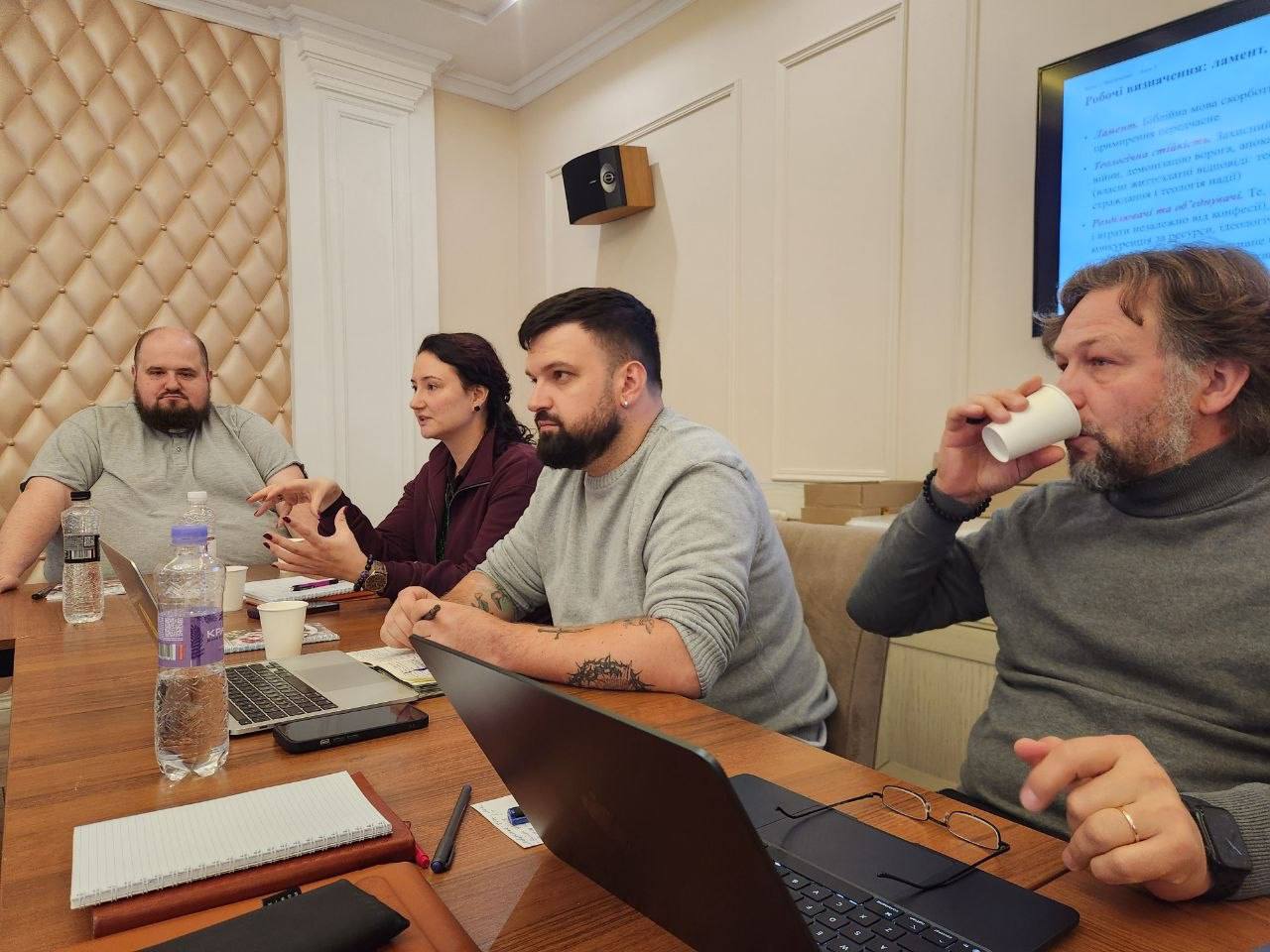
Dmytro also shared Dialogue in Action’s experience of working with pastors and addressed difficult questions that Ukrainian society faces every day: where is the line between resistance and revenge? When is it time to start talking about reconciliation? And how can we preserve the memory of war so that it remains truthful without turning into an “idol of pain”?
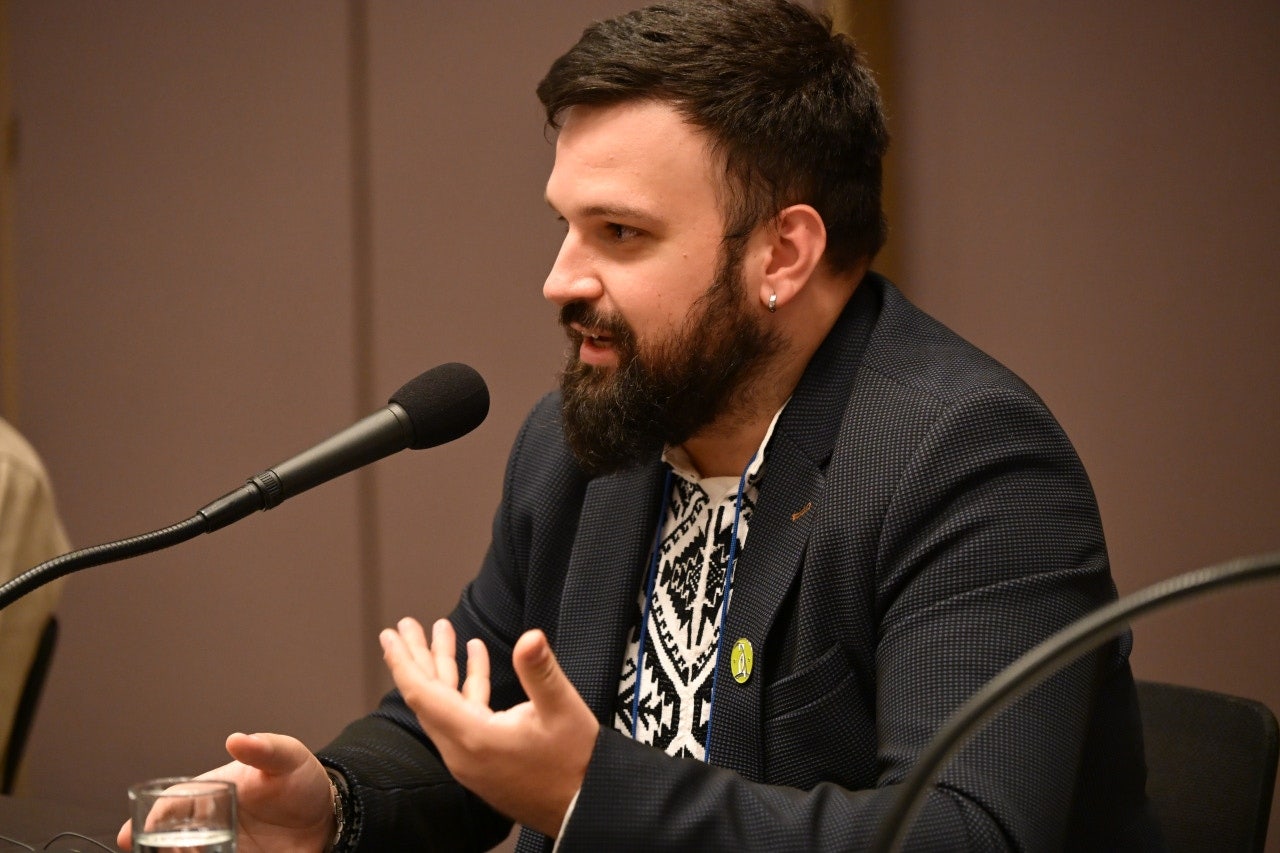
Dmytro also invited participants to stand with Ukraine on its journey towards fair peace:
“Fair peace is not something Ukraine has already achieved and can now explain to others; it is a journey we are walking while the ground is still shaking. None of our experiences can simply be transferred from one context to another, but they can become companions along the way,” Dmytro concluded.
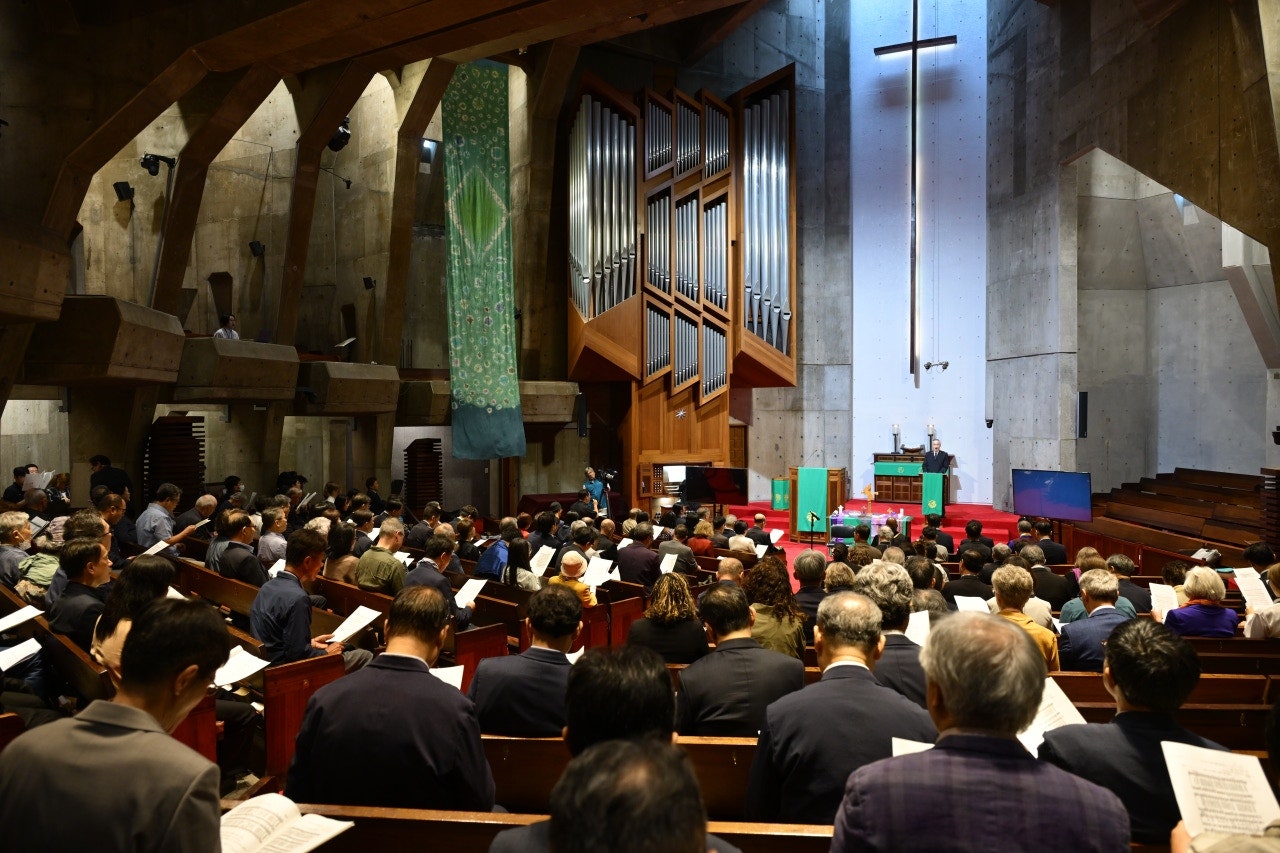
This year’s International Ecumenical Peace Convocation coincided with the 40th anniversary of the 1986 Glion meeting, when churches from North and South Korea met and shared Communion together despite the division of the peninsula. Organised by the World Council of Churches, the Christian Conference of Asia and the National Council of Churches in Korea, the event focused on the global theme “Peace in the World and the Korean Peninsula: The Church as a Community of Healing, Reconciliation and Peacemaking.”
Dmytro also noted that Korea itself was an important part of the experience – a country where the war formally ended not with a peace treaty, but with an armistice. He highlighted the particularly striking generational divide: the older generation, which experienced the war, speaks much more actively about peace and the reunification of Korea, while for many younger Koreans the idea no longer carries the same weight, and the future is associated more with moving forward.
Participants also visited the Demilitarized Zone, from where North Korea can be seen. The pilgrimage through the area, along with reflection and shared prayer for peace, became an important part of the convocation experience – an opportunity to see how an unfinished war and the division of the country continue to shape people’s lives and their vision of the future.

Taking part in the convocation gave us an opportunity to explain the specifics of the Ukrainian context to the global Christian community, while also learning more about the experiences of colleagues from Korea, Palestine, Colombia, Sri Lanka, the Philippines and elsewhere. We thank the organisers for the invitation and for creating space for an honest conversation.