"I know you'll keep working regardless of any request to slow down. But taking care of yourself isn't about giving up work – it's about being effective, not just busy."
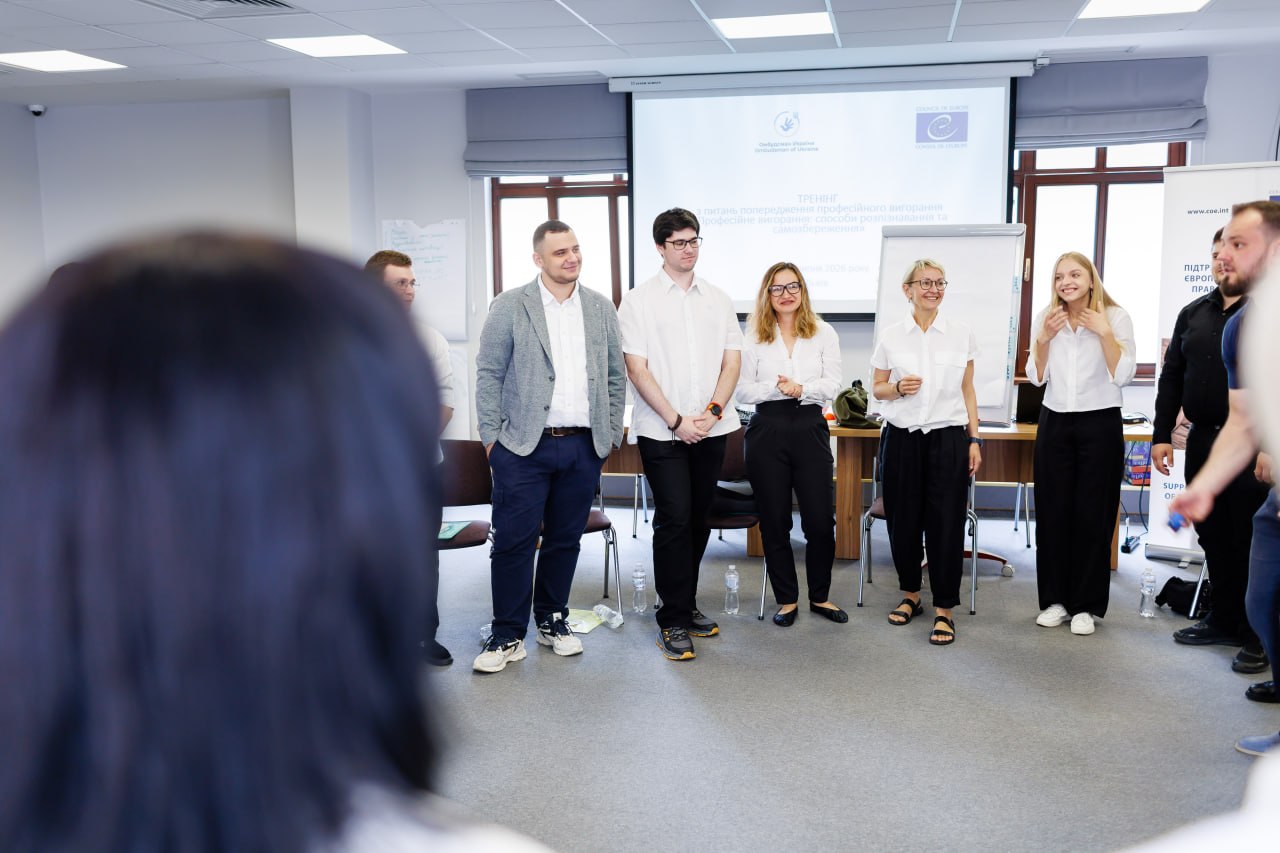
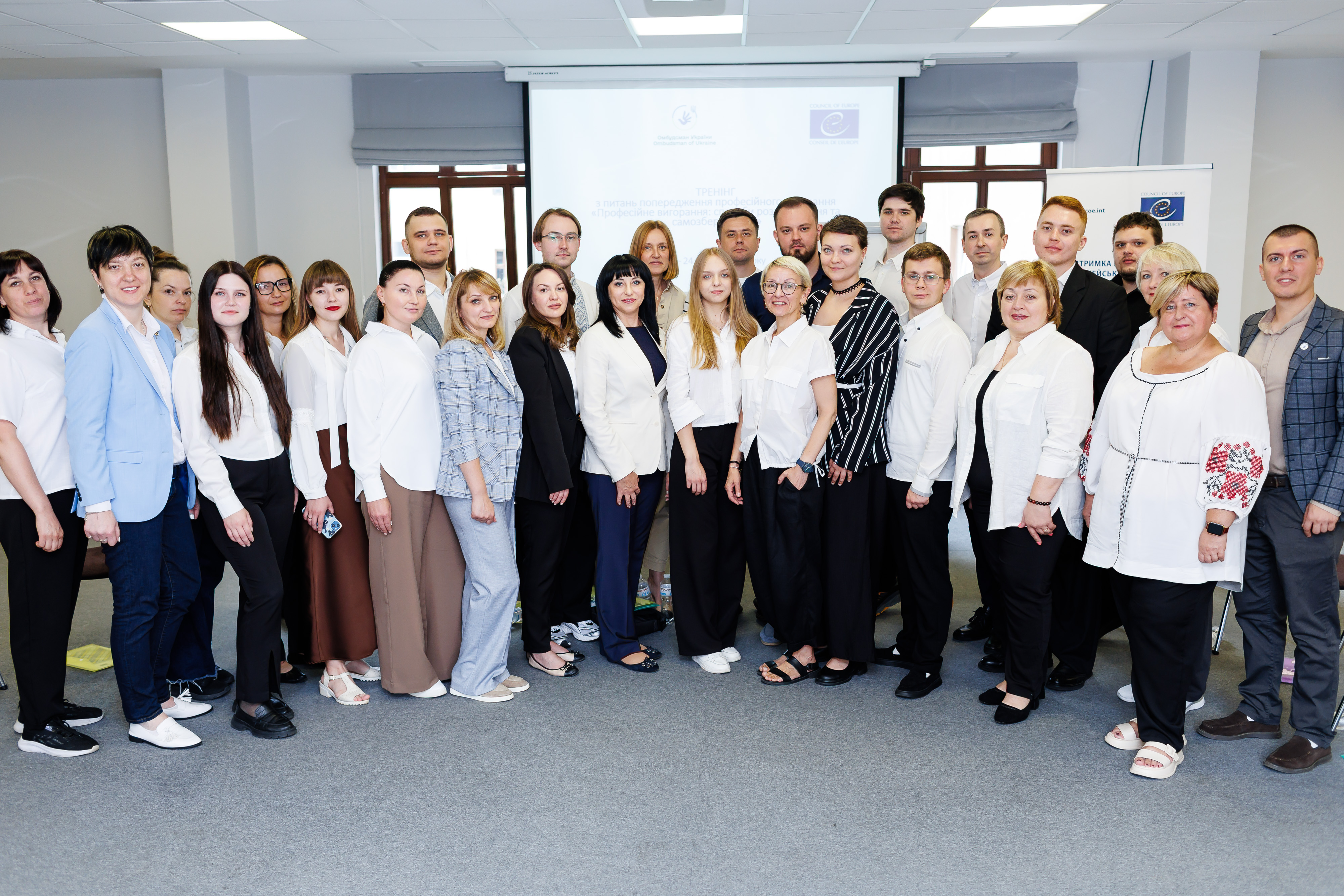
On July 23–24, Olena Kopina, facilitator and educational program developer at "Dialogue in Action," led the training "Professional Burnout: Recognizing the Signs and Preserving Yourself." The training was held for staff of the Department for Monitoring Information Rights at the Secretariat of the Ukrainian Parliament Commissioner for Human Rights. The event took place in Lviv with the support of the Council of Europe.
.jpg)
During the training, participants learned to recognize the signs of professional burnout, strengthen their psychological resilience, and develop emotional and physical self-regulation skills. An equally important part of the program was exploring how patterns of thinking, emotional responses, and habitual behaviors affect psychological well-being.
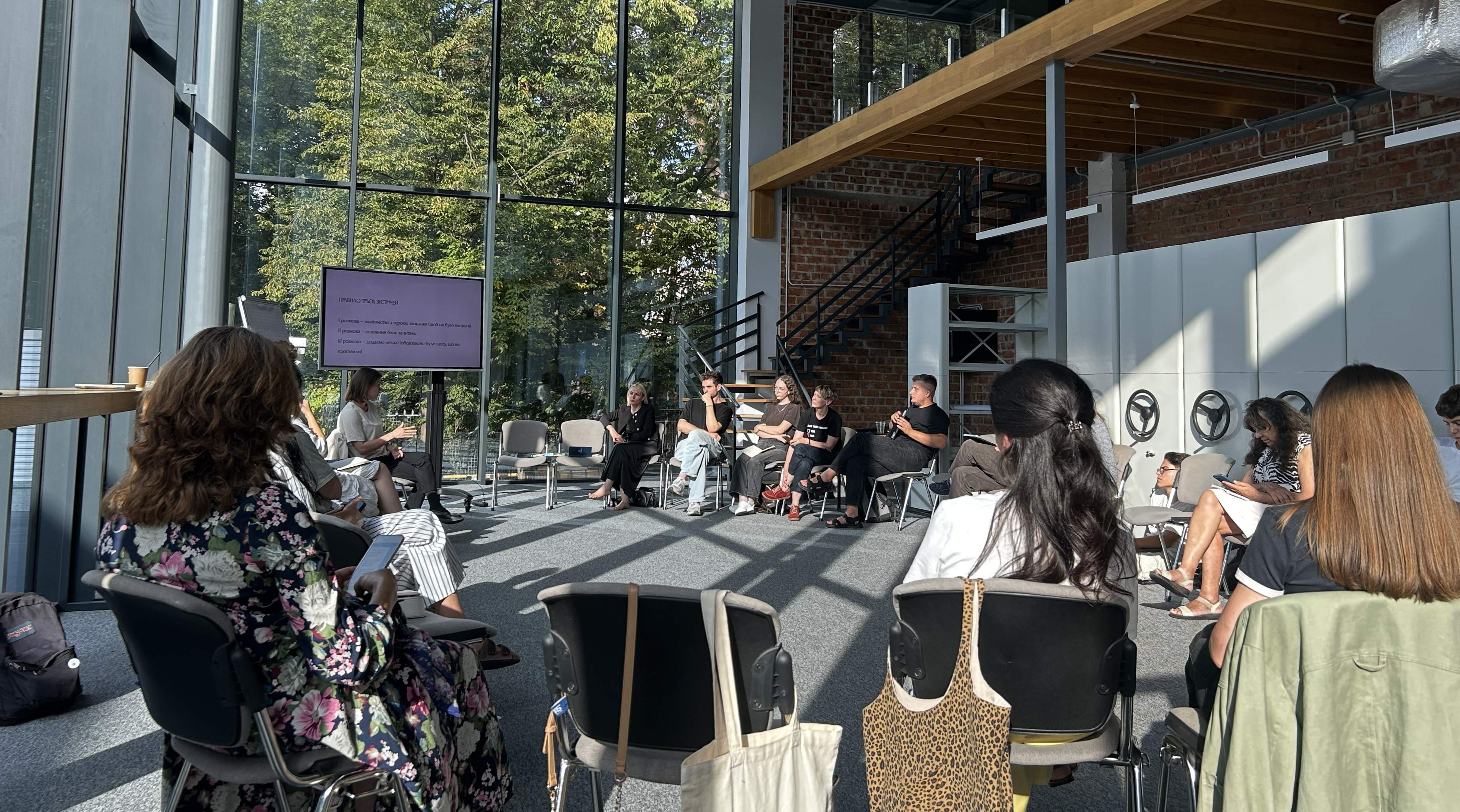
The program combined interactive exercises, group discussions, and practical activities designed to help participants develop strategies for self-preservation, restore their inner resources, and adapt to working under the prolonged stress caused by the war. Participants worked with their thoughts, emotions, bodies, personal values, and relationships with others—both in the workplace and within their families.
.jpg)
Over the course of the training, participants in particular:
According to participants, one of the most valuable aspects of the training was the opportunity to assess their personal resources and rethink their self-care practices. This helped them identify which areas of their lives currently require the most attention and what truly helps restore their inner balance.
Work in the field of human rights protection carries a significant emotional burden. That is why self-regulation skills, self-care, and professional burnout prevention are essential forms of support for professionals who work every day with complex human stories and crisis situations.
We sincerely thank all participants for their trust, openness, and willingness to engage with challenging topics. We also extend our gratitude to the Council of Europe for supporting the training.